Samet Alpdeger: full-stack developer
Reallocation of computer science.


Who am I?
I'm a 20 year old self-taught full-stack developer. The web is what I do professionally: I build websites, web applications and the backend services behind them, from the interface down to the database.
I also really enjoy learning low-level stuff like the C programming language, compilers, graphics APIs and 3D rendering libraries. I don't use these to make money and I'm not an expert in them yet; I just genuinely enjoy learning them. For me, coding isn't only about making money. I'm always curious about the technical and scientific side of programming.
I believe in real coding experience and hands-on learning. Real learning comes from understanding what you're actually doing. It's not about the tools you use; it's about understanding the math and the methods behind them.
I like learning new things, listening to music, playing games, reading, drawing and so on. I'm always open to new opportunities and collaborations. If you want to reach me, you can find my social media accounts and email above.
Knowledge Center
This isn't a list of everything I've tried for five minutes. I've spent at least 20 hours with every technology here, and there are plenty more I chose to leave out. There's still a lot I want to learn, and honestly, that's the part I enjoy the most.
Hover over or click an icon to see more about it. The border color shows its category, and the workability level and the icon's opacity show how well I know it.
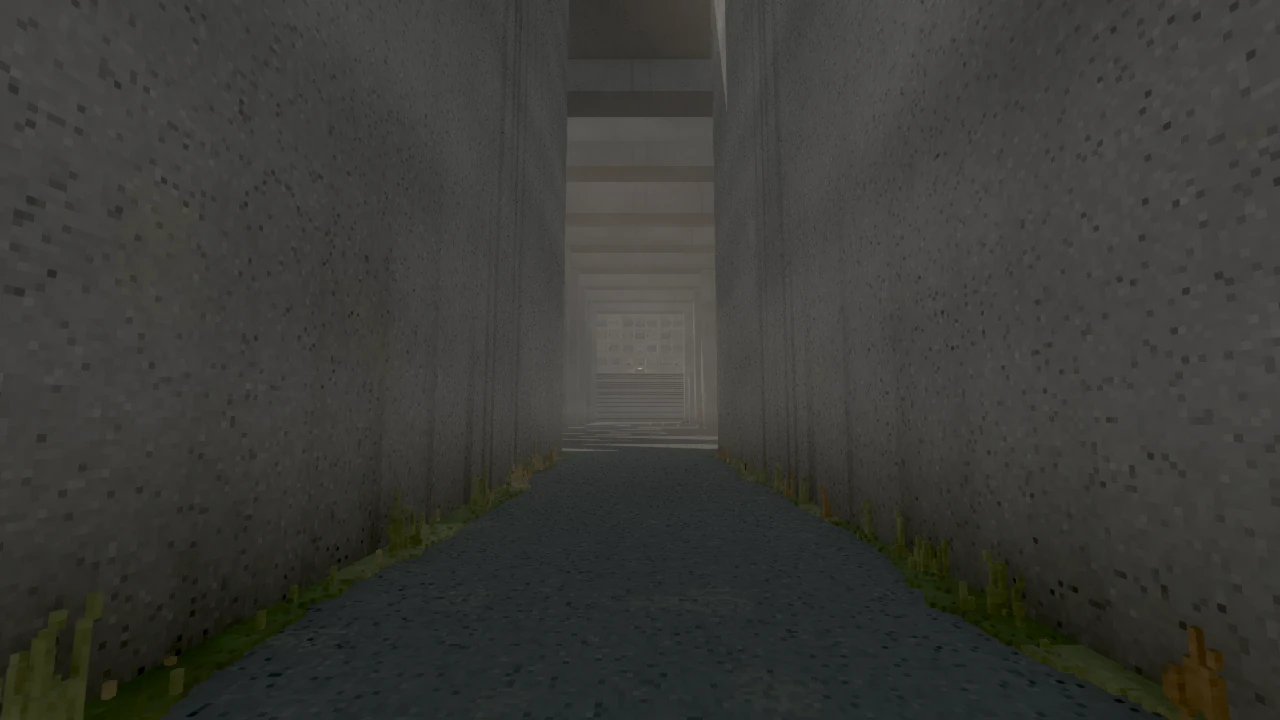
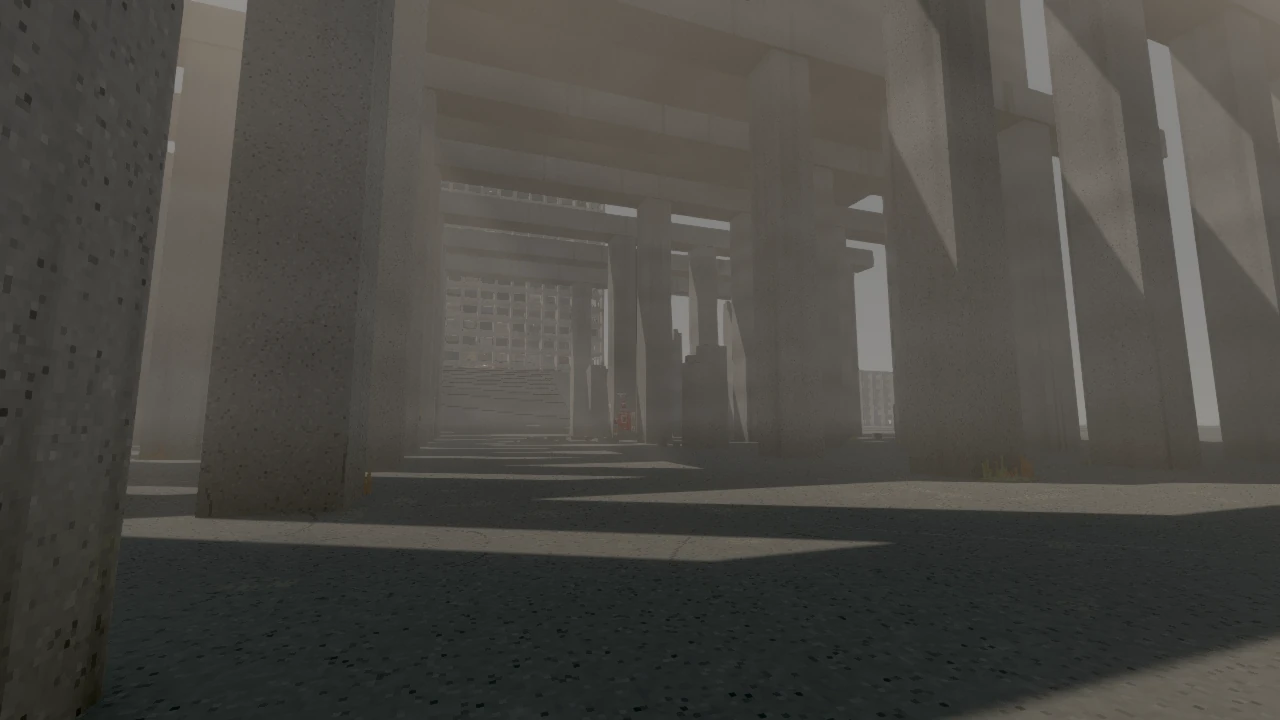
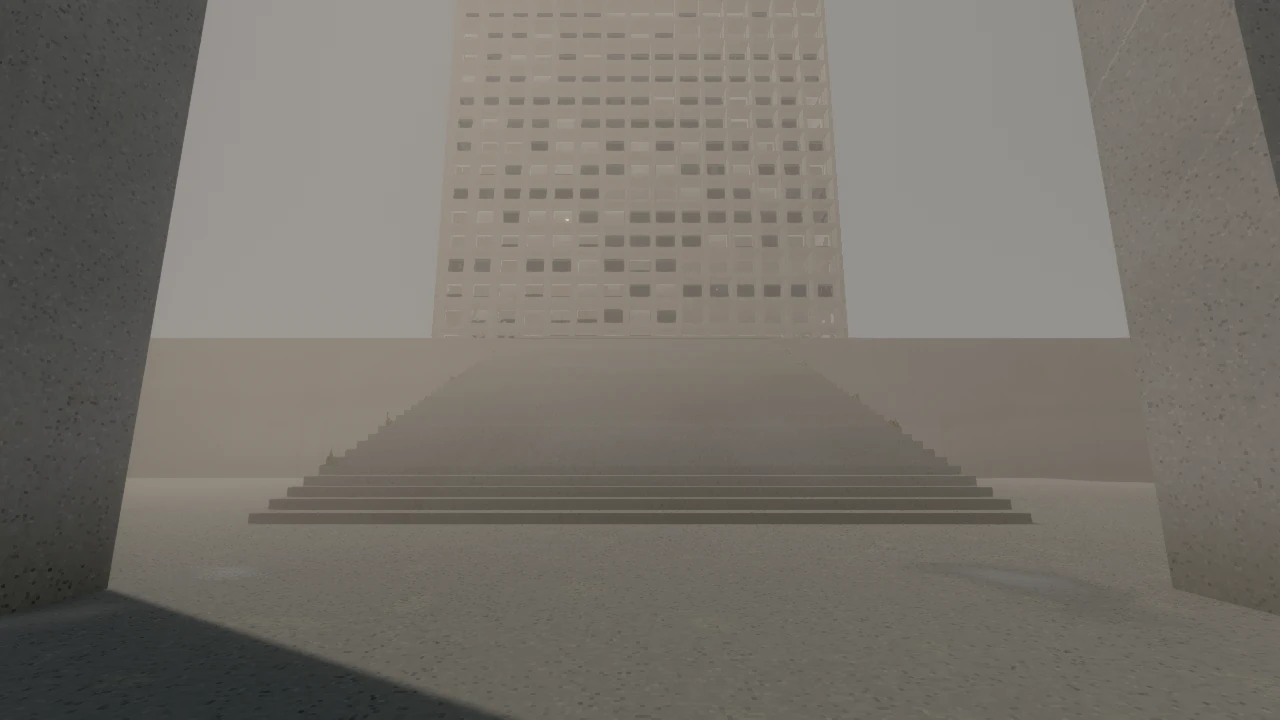
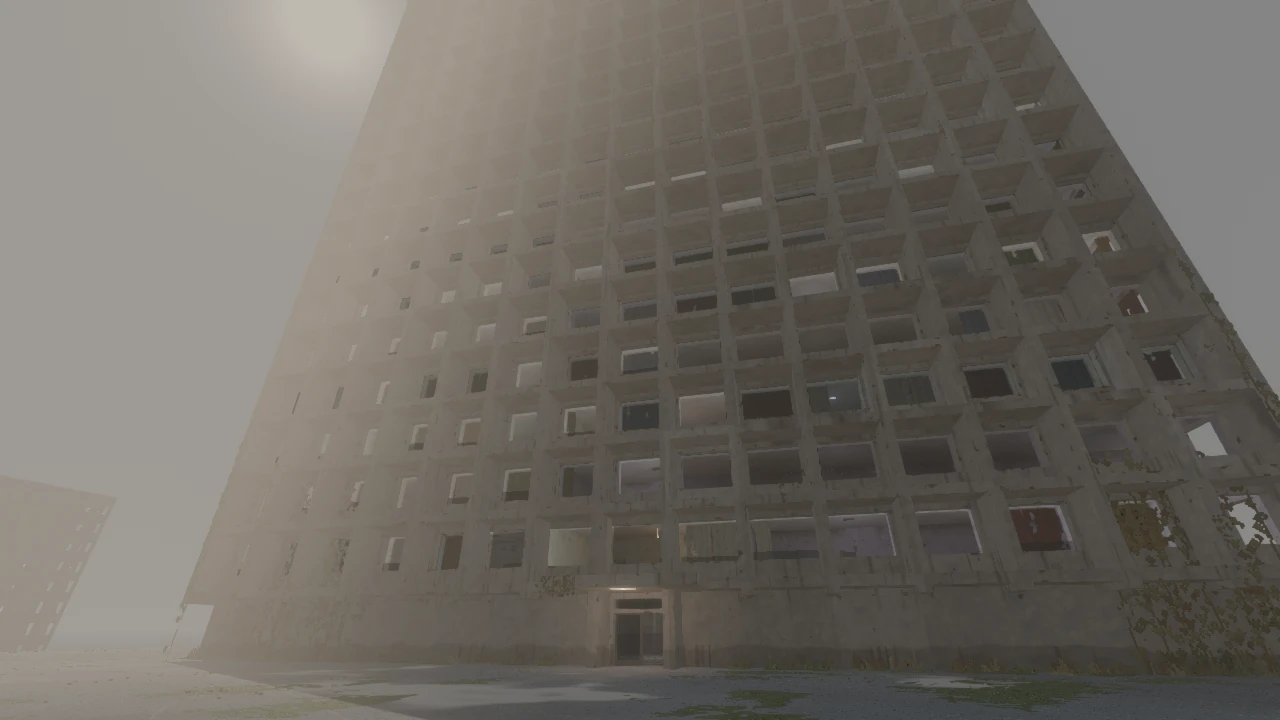
An AI-assisted map designer for 3D levels of any style. You fly through a level, point at a spot, select objects or drag a rectangle over the screen, and type what should change. e.g. "make this wall twice as tall", "plant three more pines along the path", "hang a neon sign over each of these stalls".
Claude decides what changes; how it is changed is deterministic. The map is plain text, edits go through a small edit language (--apply-edits), a compiled map recompiles to the same bytes, the same build renders the same image, and box dumps, scene diffs and pixel-compared screenshots show exactly what an edit did. Monolith follows the No AI Slop manifesto: a person approves every change to how a scene looks, and anything a tool can check (warnings, leaks, shaders, pixels) is left to the tool. --export turns a map into plain C11 for your own game, held to the same rules as the editor: no editor code.
Monolith is the editor and the viewer. It is written in plain C11 on raylib 5.5 and R3D 0.10 (deferred PBR: shadows, ambient occlusion, fog, volumetric fog, bloom, procedural sky). A level is a map package in maps/<name>/: a plain-text .map file of boxes, models, materials, lights and environment, a MAP.md design brief that keeps every edit in the map's style, and the map's shaders, models and textures. The scene runtime (runtime/monolith_scene.h/.c) also loads a package in any other raylib + R3D program, so a map can ship in your own game.
Slide 1 of 5